
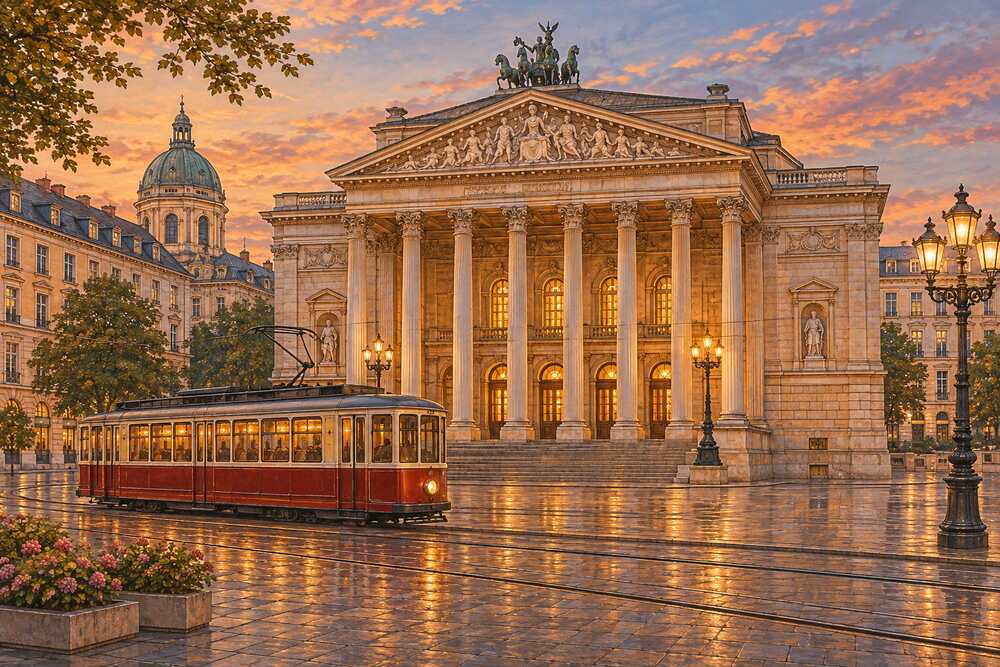
In short: Teatro alla Scala opened on 3 August 1778 with Salieri’s L’Europa riconosciuta, built to Giuseppe Piermarini’s design after fire destroyed the old ducal theatre in 1776. Bombed in 1943, it reopened in 1946 with the return of Toscanini, and a 2002 to 2004 restoration renewed it again. The Museo Teatrale alla Scala is open daily from 9:30 to 17:30, with full-price tickets at 12 euros, and the opera season opens every year on 7 December.
Updated 19 November 2026 by Galleria Heritage Guide editors
Teatro alla Scala, Milan’s opera house, is one of the most famous theatres in the world, and it stands just beyond the north arm of the Galleria Vittorio Emanuele II, across Piazza della Scala. Its plain neoclassical facade surprises many first-time visitors, but behind it is a horseshoe auditorium that has staged premieres by Verdi, Puccini and Rossini.
This guide covers the history of Teatro alla Scala, its museum, how to buy tickets and what to expect on a visit. It pairs naturally with a walk through the Galleria, which was built to link La Scala with the cathedral square.
How did Teatro alla Scala begin?
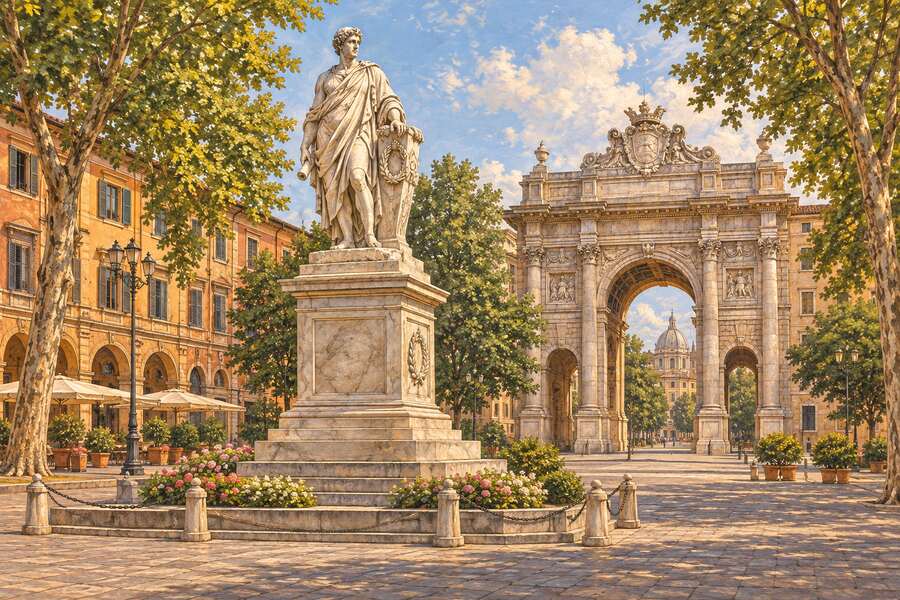
Milan’s earlier opera house, the Royal Ducal Theatre, burned down on 26 February 1776. La Scala was founded to replace it under the auspices of Empress Maria Theresa of Austria. The owners of boxes at the old theatre paid for the new one, in exchange for the land where the church of Santa Maria alla Scala stood, which gave the theatre its name. The architect was Giuseppe Piermarini, according to the official history of the theatre.
Teatro alla Scala opened on 3 August 1778 with L’Europa riconosciuta by Antonio Salieri. The boxes were owned by Milan’s noble families, who furnished them as private salons. In the nineteenth century the theatre became the home of Italian opera: Rossini, Donizetti, Bellini, Verdi and later Puccini all had works premiered there, as the Museo Teatrale alla Scala records.
La Scala in the war, reopening and restoration
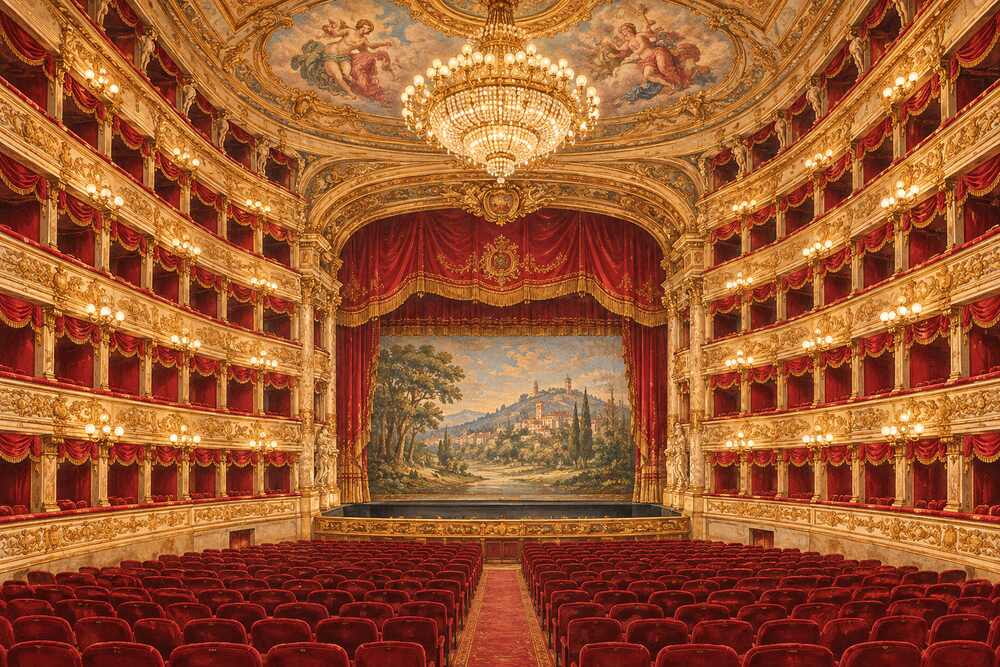
On 16 August 1943, bombs that hit Milan destroyed the theatre’s roof and vault, long sections of the four tiers of boxes, and the costume stores, rehearsal rooms and workshops, according to the City of Milan. Reconstruction ran from 1945 to 1946, and the theatre reopened on 11 May 1946 with the return of the conductor Arturo Toscanini, a moment the city still sees as a symbol of its rebirth.
The same bombing raids broke the glass roof of the Galleria next door, so the two buildings share a wartime story. The Galleria’s roof was rebuilt to its original design by 1955.
Between 2002 and 2004 the theatre closed for a major restoration designed by the architects Mario Botta and Elisabetta Fabbri. While it was closed, the company moved to the new Teatro degli Arcimboldi in the former Pirelli-Bicocca industrial area, which opened on 19 January 2002 with La traviata. The restored La Scala reopened on 7 December 2004 with the same opera that had opened it in 1778, Salieri’s L’Europa riconosciuta, conducted by Riccardo Muti, according to the official history. In November 2024 the City of Milan reported that a ten-month cleaning of the main facade had revealed colours hidden by pollution, including pink stucco and a sky-blue background behind the relief in the pediment, in a city news release.
La Scala museum: hours and tickets
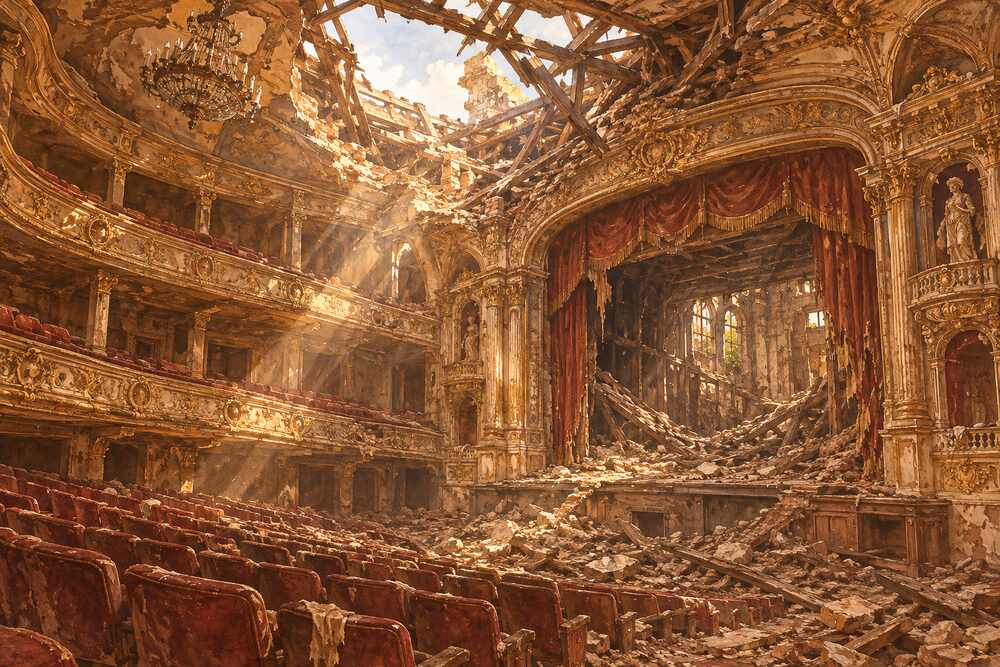
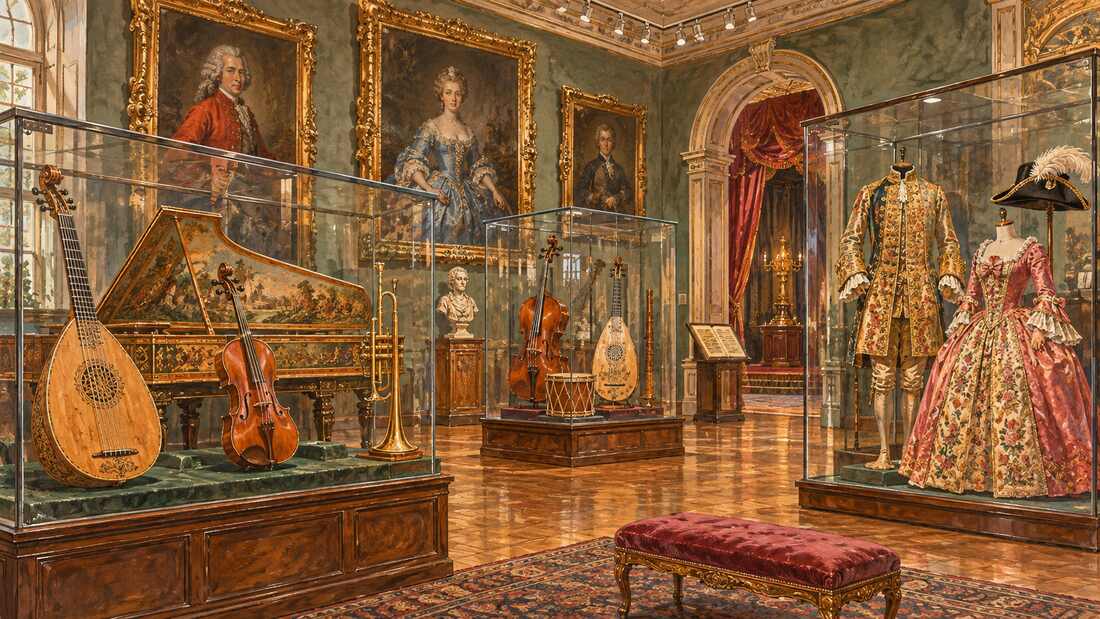
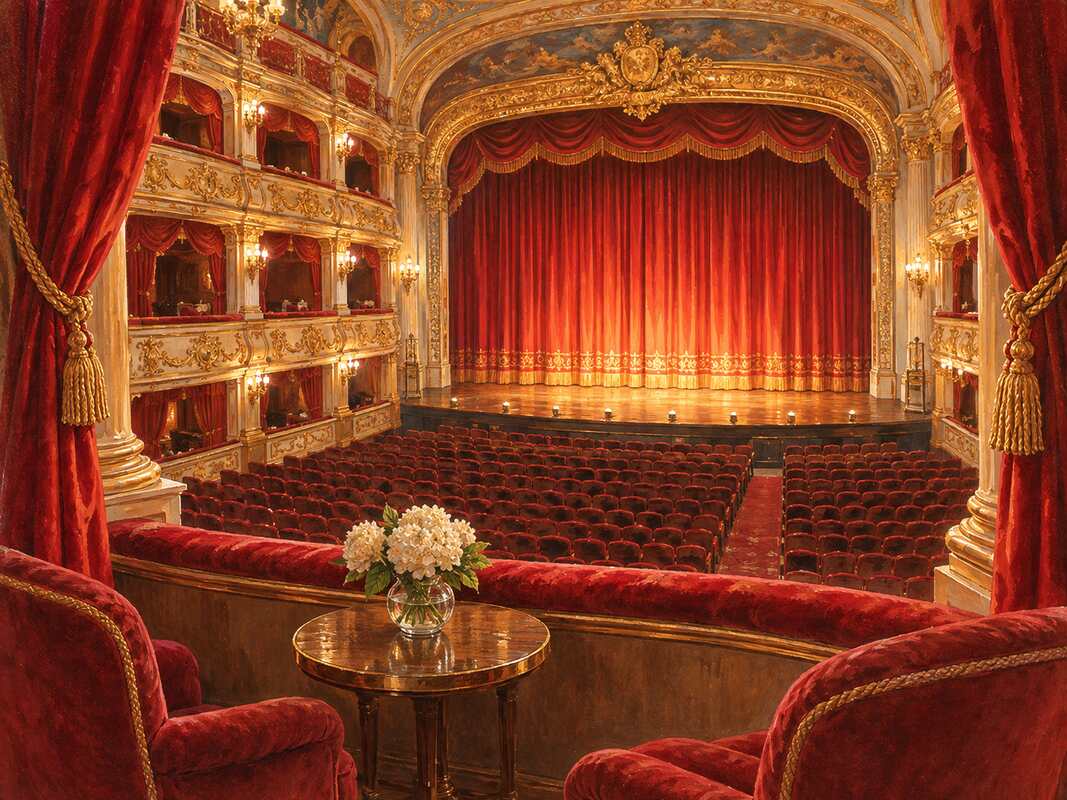
The easiest way to see La Scala without an opera ticket is the Museo Teatrale alla Scala, the theatre’s museum. Its rooms hold musical instruments, portraits of composers and singers, costumes and stage designs. The museum ticket also lets visitors look into the auditorium from the third-tier boxes, but only when no rehearsal, performance or event is taking place.
The museum’s tickets and opening times page gives these details:
- Hours: open every day from 9:30 to 17:30, with last entry at 17:00.
- Closed: 1 January, Easter Sunday, 1 May, 15 August, and 7, 25 and 26 December.
- Tickets: 12 euros full price, 8 euros reduced (ages 6 to 18, students and over-65s), and 15 euros for an open ticket valid on any day in 2026 with fast-track entry. Children aged 6 and under enter free.
- Short days: on 24 and 31 December the museum closes at 15:00.
Access to the auditorium boxes depends on the theatre’s schedule, so on some days you see the museum only. Check the museum website on the morning of your visit.
Teatro alla Scala tickets for opera, ballet and concerts
La Scala sells tickets for opera, ballet and concerts through its own website and its box office. The theatre’s official ticket office page warns buyers to use only its own channels and authorised sellers.
Popular performances sell out fast, especially at the start of the season. Gallery seats, high up in the top tiers, are the cheapest way in. Ticket holders for the galleries use a separate entrance in Largo Ghiringhelli, on the side of the building, according to the theatre’s visitor information.
| Option | What you see | Price |
|---|---|---|
| Museum, full price | Museum rooms, auditorium from a box if available | 12 euros |
| Museum, reduced | As above, for eligible visitors | 8 euros |
| Museum, open ticket | As above, any day | 15 euros |
| Performance | Opera, ballet or concert | Varies by seat and show |
Why is 7 December special at La Scala?
Every opera season at La Scala opens on 7 December, the feast of Saint Ambrose, Milan’s patron saint. The tradition dates from 1951, says YesMilano, the city’s official tourism site. The premiere is one of the great social events in Italy, broadcast on television and shown on screens around the city.
The 2026 season opens on 7 December with Verdi’s Otello at 18:00, according to YesMilano. Tickets for the opening night are very hard to get, but the city’s screenings let anyone watch.
Visiting La Scala, the Galleria and the Duomo in one morning
La Scala, the Galleria and the Duomo form a short line through the centre of Milan. A practical half-day plan:
- Start at the museum when it opens at 9:30, before the tour groups.
- Cross Piazza della Scala and walk through the Galleria, stopping at the octagon under the glass dome.
- Come out in Piazza del Duomo and climb to the Duomo rooftop terraces.
For more on the shops and cafés in between, see our guide to the Galleria’s shops and restaurants.
Key takeaways
- Teatro alla Scala opened on 3 August 1778, designed by Giuseppe Piermarini.
- Bombed on 16 August 1943, it reopened on 11 May 1946 with the return of Toscanini.
- A 2002 to 2004 restoration renewed the stage, and the theatre reopened on 7 December 2004.
- The museum is open daily from 9:30 to 17:30; a full-price ticket costs 12 euros.
- Each season opens on 7 December, a tradition since 1951.
Common questions
Can you visit Teatro alla Scala without a show ticket?
Yes. The Museo Teatrale alla Scala is open daily from 9:30 to 17:30, and when there is no rehearsal visitors can see the auditorium from a box.
How much does the La Scala museum cost?
A full-price ticket costs 12 euros, a reduced ticket 8 euros and an open ticket valid on any day 15 euros.
When did Teatro alla Scala open?
On 3 August 1778, with Antonio Salieri’s opera L’Europa riconosciuta.
Can you see inside the auditorium on a museum visit?
Usually. The museum ticket includes a look into the hall from the third-tier boxes, but only when no rehearsal, performance or event is taking place.
How far is La Scala from the Galleria?
It is directly across Piazza della Scala from the north entrance of the Galleria, a walk of a minute or two.
How we put this together: We used the theatre’s official history and ticket pages, the Museo Teatrale alla Scala’s history and visitor pages, YesMilano and the City of Milan. Prices and hours are those published by the museum in November 2026 and can change.
Sources
- Teatro alla Scala, history of the theatre
- Museo Teatrale alla Scala, history of the theatre
- Museo Teatrale alla Scala, tickets and opening times
- Teatro alla Scala, official ticket office
- Teatro alla Scala, visitor information
- YesMilano, opening night at La Scala
- City of Milan, La Scala facade restoration